Structural Software Cost: CalcSteel vs Desktop
Desktop structural software is one of the most expensive line items in a small engineering practice, and the prices are surprisingly hard to pin down because the biggest vendors do not publish them. This deep-dive traces where those tools came from, how their pricing models evolved from free FORTRAN decks to four-figure annual subscriptions, and how a browser-native solver like CalcSteel changes the math.
Key takeaways
- The original SAP (Structural Analysis Program) was written in FORTRAN by Edward L. Wilson at UC Berkeley around 1969 and shared widely with the profession; today's commercial descendants cost thousands per seat per year.
- Published prices are rare: STAAD.Pro lists a Virtuoso Subscription at USD 3,995/year and RISA-3D is reported at roughly USD 2,070/year, while SAP2000 and ETABS prices are quote-only and only reported by third parties.
- The industry has shifted almost entirely from perpetual licenses to annual subscriptions, so the recurring cost never stops as long as you need to open your own models.
- CalcSteel is browser-native (React/TypeScript front end, Python finite-element backend) with a free plan and a Pro tier at US$24/month billed annually, which is roughly an order of magnitude below the desktop incumbents.
The question behind the price tag
Ask a practicing engineer what their structural analysis software costs and you will rarely get a single number. The honest answer is it depends on the vendor, the modules, the region, and whether anyone is willing to quote you at all. Two of the most-used desktop packages in the world, SAP2000 and ETABS, do not publish prices on their own site; you request a quote. Two others, STAAD.Pro and RISA-3D, do list or report numbers, and those numbers are revealing.
This article does what a pricing page will not: it reconstructs the lineage of these tools, shows how their business model migrated from a one-time purchase to a never-ending subscription, and puts the totals next to a browser-native alternative. Where a vendor refuses to publish, we say reported rather than pretend to certainty.
From a free FORTRAN deck to a company
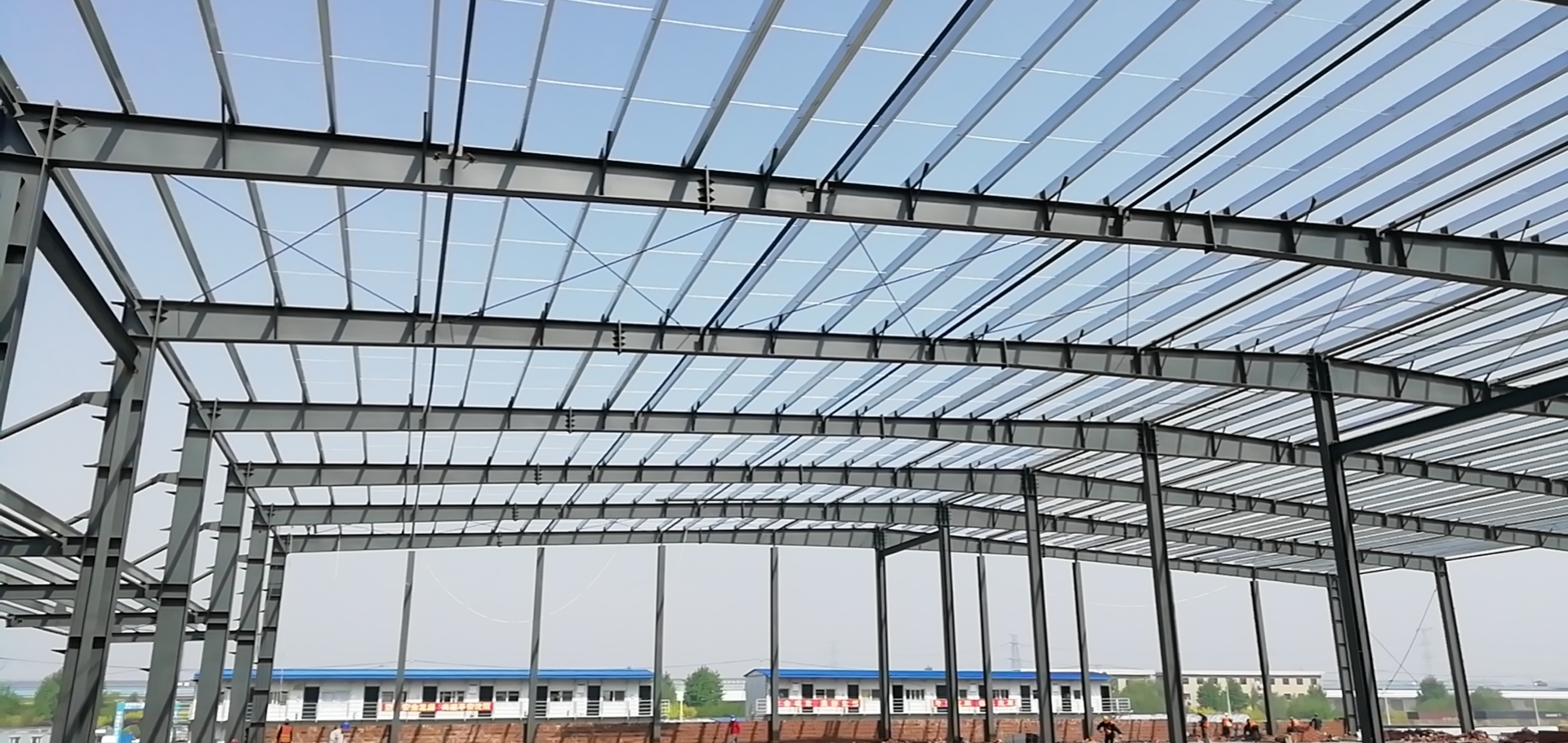
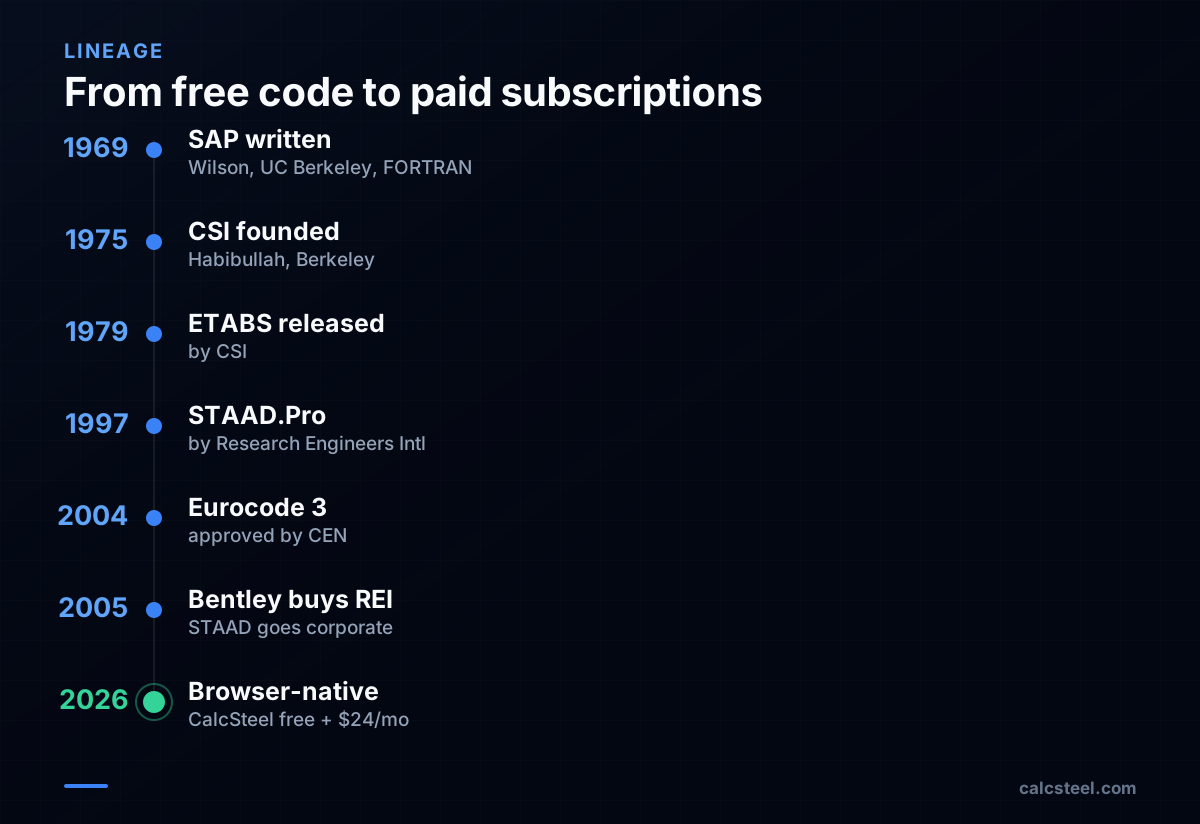
The story starts not with a price but with a giveaway. Around 1969, Professor Edward L. Wilson developed SAP (Structural Analysis Program) at the University of California, Berkeley. It was coded in FORTRAN and run on mainframes from punched decks, and Wilson is widely credited with writing the first broadly accepted computer package for structural analysis, shared openly with the profession.
The commercial chapter opened in 1975, when Ashraf Habibullah founded Computers and Structures, Inc. (CSI) in Berkeley, building on Wilson's research, which became the foundation of both SAP2000 and ETABS (first released in 1979). The lesson embedded in this origin is easy to miss: the technical core of an entire industry began as a piece of academic, freely shared software. The price came later, and it came from the company built around it.
How the prices actually evolved
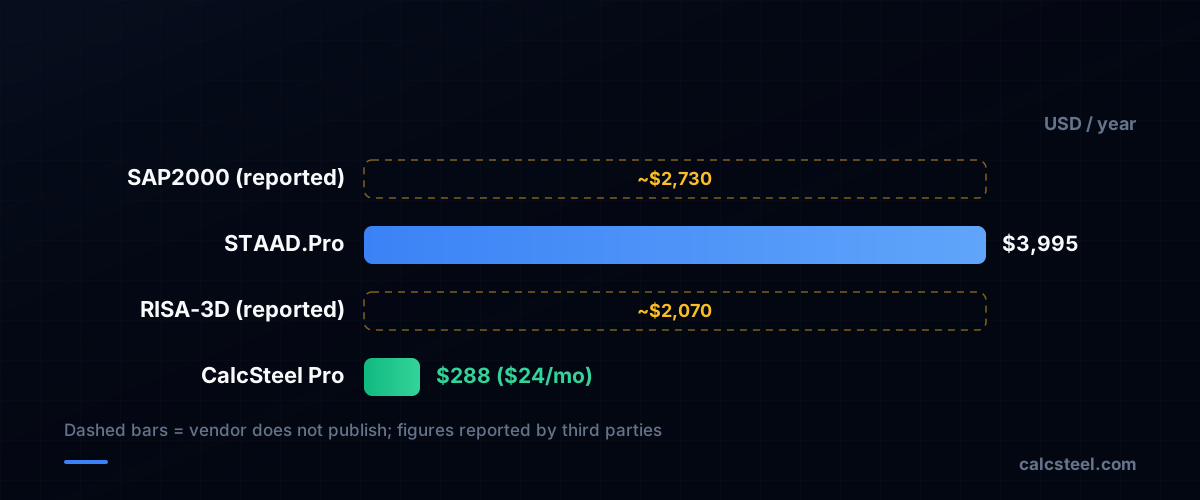
STAAD followed a parallel arc. It was originally developed by Research Engineers International (REI) and released as STAAD.Pro in 1997; in late 2005, Bentley Systems acquired REI. Today Bentley sells STAAD through its Virtuosity eStore as a Virtuoso Subscription listed at USD 3,995 for a 12-month practitioner license.
RISA Technologies publishes a comparable figure: its own blog discusses a single license of RISA-3D at roughly USD 2,070 annually, though current listings vary (about USD 1,970-2,290). The CSI products are quote-only. Third-party aggregators report SAP2000 starting costs plus annual maintenance, and ETABS higher still — but because CSI does not publish these, we treat them as reported estimates, not hard facts.
The through-line: prices rose from zero to four figures, and just as importantly, the structure of the price changed.
The quiet shift to subscriptions
The biggest change in two decades is not a feature — it is the move from perpetual licenses (buy once, own forever, pay optional maintenance) to annual subscriptions (the software stops being yours the day you stop paying). CSI has been steering users toward cloud sign-in licensing and away from the standalone and network licenses of old. Bentley packages STAAD as a renewing Virtuoso Subscription. RISA quotes an annual figure.
For a solo engineer or a small firm, the implication is structural in its own right: there is no longer a version you can buy and keep using for a decade. The line item is recurring and permanent for as long as you need to open your own files. That is the real cost — not the headline number on day one, but the same number every year thereafter.
What the architecture buys (and costs)
Part of why the incumbents cost what they do is their architecture. They are heavyweight desktop applications with deep, mature solvers built on decades of finite-element development, and their codebases support extension through APIs in languages such as C++, C#, VB.NET and Python. That maturity is genuinely valuable for the largest and most nonlinear problems, and it deserves respect.
It also carries weight: per-seat installation, Windows-bound deployment, hardware requirements, and license servers. The newer wave — browser-native tools — trades some of that ceiling for accessibility. The same finite-element physics can run server-side and stream into a browser, removing install friction and letting the price drop because the distribution model is different. CalcSteel sits squarely in this wave: a React/TypeScript front end driving a Python finite-element backend, with no desktop install at all.
Verdict: where CalcSteel fits
If you design supertall towers or run advanced nonlinear, staged-construction analyses, the desktop incumbents earn their price, and nothing here disputes that. But for the enormous middle of the profession — steel frames, connections, code checks, day-to-day verification — the honest comparison is stark. STAAD lists USD 3,995/year; RISA is reported at about USD 2,070/year; SAP2000 and ETABS are quote-only and reportedly higher.
CalcSteel offers a genuinely free plan and a Pro tier at US$24/month billed annually — roughly an order of magnitude below those desktop figures — with 1,140+ steel profiles and code checks for NBR 8800, AISC 360, Eurocode 3 and IS 800 (Eurocode 3 having been approved by CEN in 2004). It runs in a browser, so there is nothing to install and nothing to license per seat. The fairest way to judge the gap is to model your next frame in the editor and compare the result, and the bill, yourself.
Sources
- 1.CSI — A Historical Perspective of CSI, SAP2000 and ETABS (Ashraf Habibullah)
- 2.SAP — A General Structural Analysis Program (E. L. Wilson, UC Berkeley)
- 3.STAAD — Wikipedia (REI origin, Bentley acquisition)
- 4.STAAD.Pro Virtuoso Subscription pricing — Bentley Virtuosity eStore
- 5.How Much Does RISA-3D Really Cost? — RISA blog
- 6.Ashraf Habibullah — Wikipedia (CSI founded 1975)
- 7.Eurocode 3: Design of steel structures — Wikipedia (CEN, approved 2004)
- 8.Image: Syibeehive — CC BY-SA 4.0 (Wikimedia Commons)
Try CalcSteel for free
Model, analyze and design steel structures in your browser. No install, no signup.
Open the 3D editor